Advocacy
Advocacy begins in the realities families live, not only in the language people use.
This page gathers the convictions behind our writing: that autism should be met with greater honesty, more practical empathy, and more dignity for the families living it every day.
For us, advocacy begins with refusing to flatten autism into a neat public message. Families are not living inside a slogan. We are living inside schools, clinics, cars, bedrooms, routines, budgets, marriages, and thousands of small emotional calculations that most people never see.
That is why this website speaks in a more grounded register. We are interested in what happens when a child is overwhelmed in public, when parents are judged without context, when misinformation travels faster than empathy, and when support is treated as an optional kindness rather than a shared responsibility.
Better understanding does not begin with pity. It begins with accuracy, patience, and dignity. It means seeing autistic children and their families as whole human beings, not as disruptions to somebody else’s comfort or expectations.
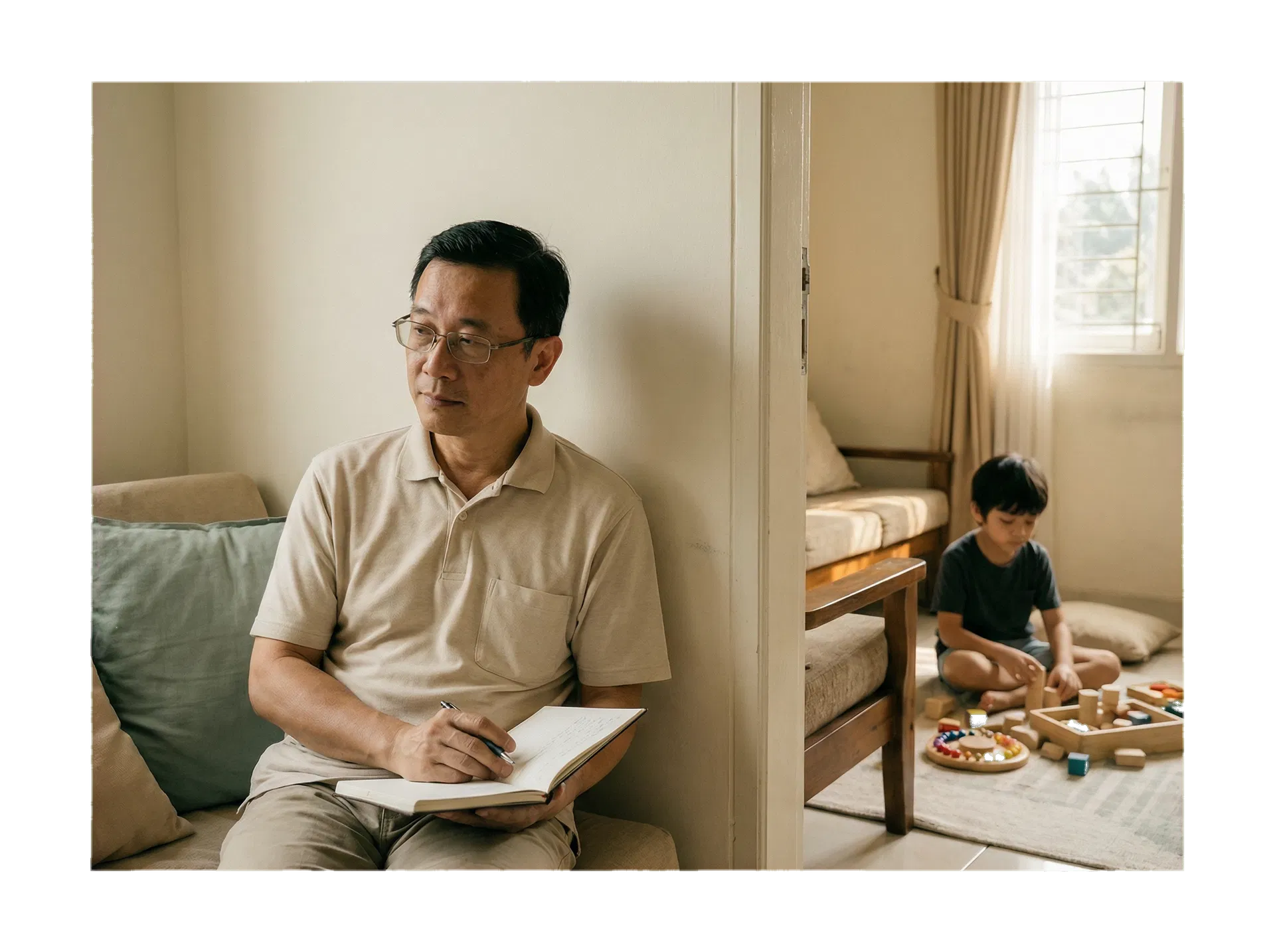
Themes that matter
The conversation becomes more useful when it becomes more concrete.
What is autism, really? I’m not going to feed you the formal definition lifted from a medical school. Or the polite versions wrapped in pastel ribbons during Autism Awareness Month.
I’ve been following autism data in Indonesia for years now, and I’ll admit—it’s both fascinating and deeply frustrating. Fascinating, because the numbers keep shifting as awareness grows. Frustrating, because they
What meaningful support looks like
Practical empathy matters more than performative awareness.
In schools, it can mean informed teachers, flexible expectations, and environments that do not punish difference by default. In public, it can mean less judgment and a little more patience when a family is clearly trying to steady a difficult moment.
In conversation, it means listening before explaining. It means resisting shallow theories and respecting the lived experience of parents, siblings, and autistic individuals themselves. It means understanding that support is not only emotional — it is also structural, financial, and communal.
This is the kind of advocacy we want the site to carry forward: not polished, not self-congratulatory, but specific, dignified, and human.
De opmars van spinstar in het Nederlandstalige gebied onderstreept de behoefte aan serieuze alternatieven. Statistieken over het eigen speelgedrag zijn op te vragen in het persoonlijke gedeelte. De bibliotheek groeit continu en omvat inmiddels spellen van meer dan 50 studio’s. Match-bonussen tot 200 procent op stortingen zijn beschikbaar tijdens speciale acties. Speelsessies kunnen naadloos tussen desktop en smartphone worden voortgezet. Tutorials en video’s in de helpsectie maken de start voor beginners eenvoudiger. Een geïntegreerde blog publiceert regelmatig artikelen over trends in de branche en speltheorie. Spellen worden uitsluitend van gecertificeerde software-aanbieders ingebed. Statistieken van eerdere spelrondes worden direct aan de tafel getoond. Spelers kunnen indien gewenst hun eigen dag-, week- en maandlimieten configureren. De hoge afwerkingskwaliteit pleit voor duurzame investeringen in het totaalproject.